
Searching Quitman County Criminal Dockets
Quitman County felony and general criminal matters land in Circuit Court. That court is part of the Eleventh Circuit Court District. The official Eleventh Circuit CourtInfo page lists the participating court's electronic route. Public access runs through Mississippi Electronic Courts, known as MEC. PAMEC serves courts that take part. Lower cases travel a different road. Justice Court takes misdemeanors, initial appearances, and preliminary felony proceedings. A city citation starts in the municipal court named on the ticket. A lower-court appeal can show on the Circuit docket when it moves up, so the originating court still matters.
A case number is the best starting point. Without one, keep the defendant name as printed. Also keep the court named on a notice or citation, the filing or appearance date, and the county. PAMEC's search fields and docket headers sit behind sign-in. Work from the options the system shows once you are logged in rather than guessing at the layout.
- Read the notice, citation, or court order to identify Circuit, Justice, or municipal court.
- For a Circuit matter, use the official Eleventh Circuit MEC route and complete PAMEC access if required.
- Search using the available authenticated method and compare the court, case number, and date.
- Open the matching docket sheet to read dated entries, settings, and any public documents.
- Contact the correct clerk for a restricted record, a legacy file, or a certified copy.
Quitman County Criminal Docket PAMEC Access
PAMEC opens its authenticated court search only to holders of a current public account. The registration terms set a $10 annual non-attorney fee. Pages cost $0.20 each, and a search with no match still bills as one page. That pricing rewards a tight search over broad fishing. The terms bar automated or abusive access outright, so bulk collecting is off the table.
Payment moves faster online: debit, credit, or e-check generally processes the same day. A mailed paper check delays your access. Registering and paying are just access steps, though. They do not confirm that a court participates or that a case is public. Keep a note of the search date and page charges whenever you pull a docket sheet. The PAMEC public login page marks the sign-in point. A public user reaches it before getting to court records.
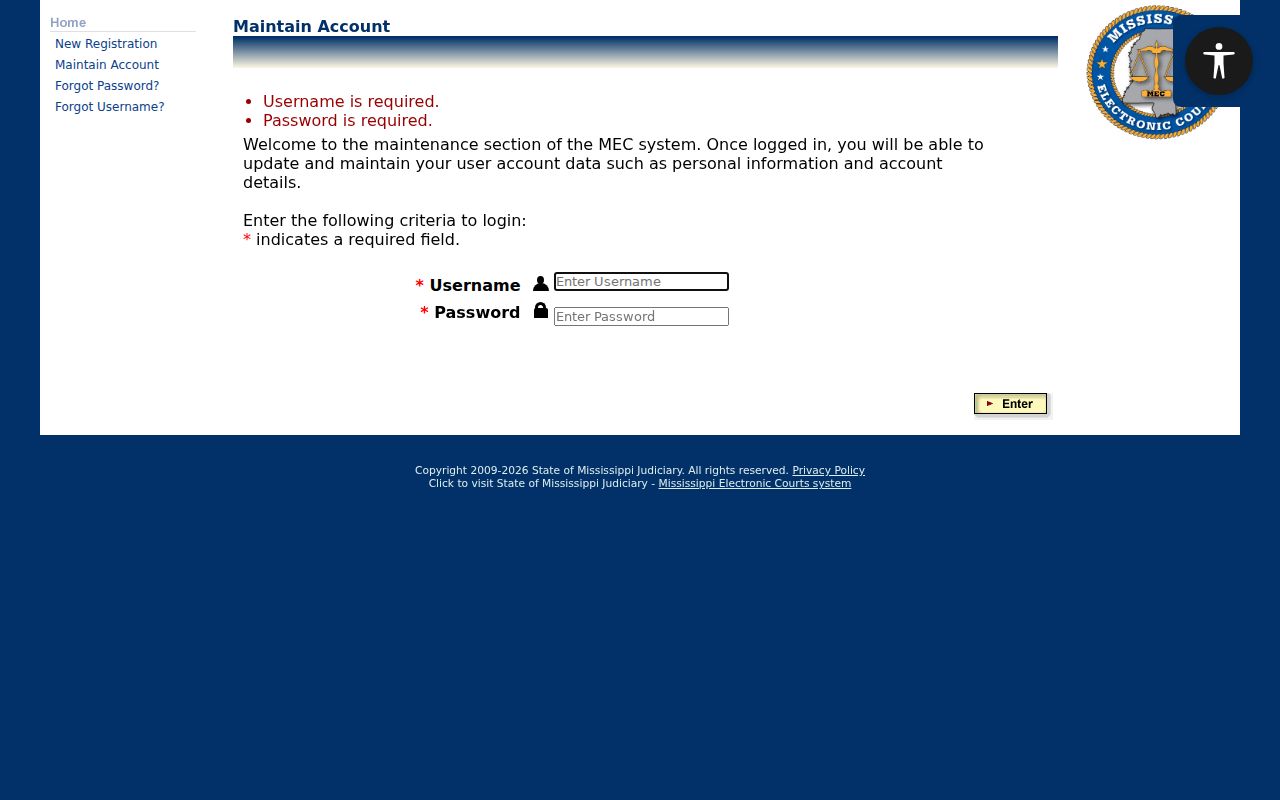
A sign-in form proves the access path exists. It says nothing about the search fields waiting on the other side. Once inside, public users can view electronic documents, docket sheets, and notices in nonrestricted cases at participating courts, all under the PAMEC terms and each court's access rules. The PAMEC attorney terms page runs on a separate official route for attorney accounts.
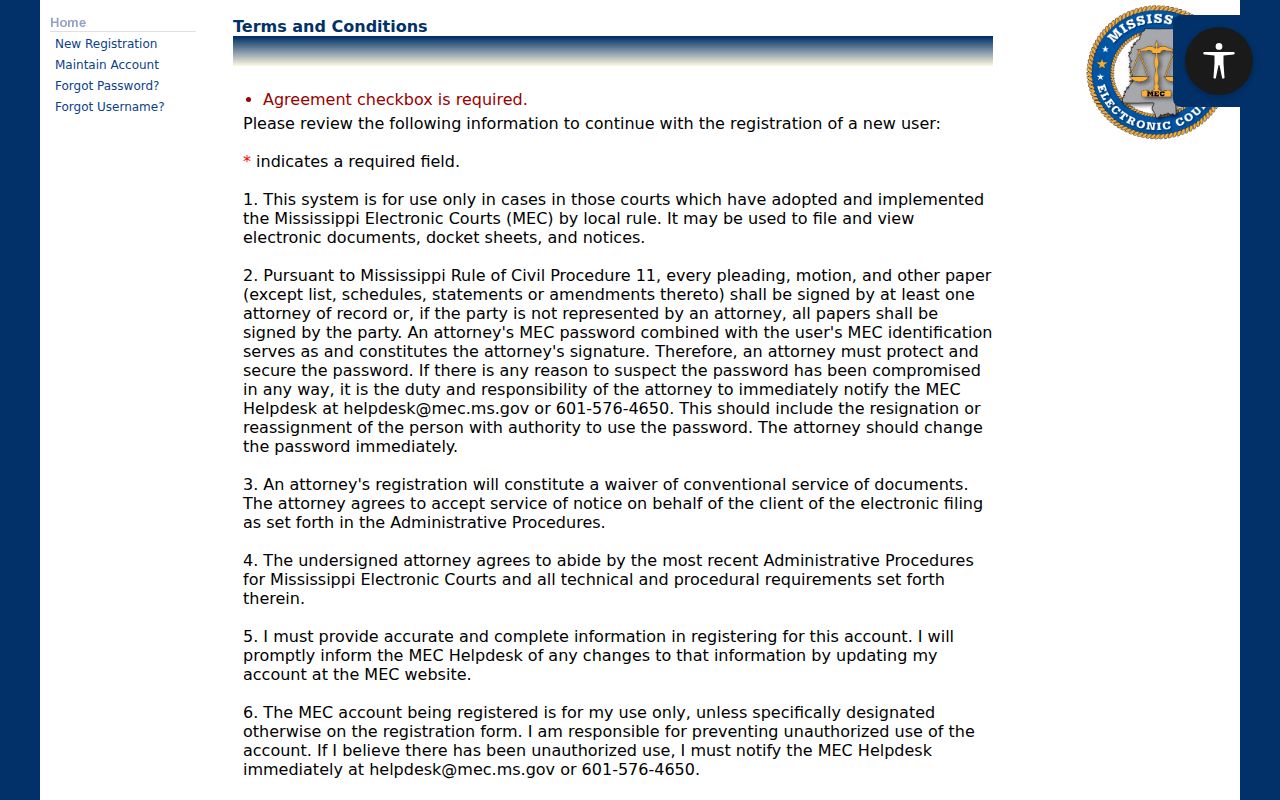
That terms page simply restates the point. Electronic access answers to account conditions and court rules. It changes nothing about public-user billing, and it does not unlock restricted Quitman criminal docket material.
Inside a Quitman County Criminal Docket
Think of a docket sheet as a case timeline. One sheet can show the court, case number, filing date, and public charges or case type. It may also list scheduled events, filings, and later orders. The exact MEC display fields live behind an account. Even a public case can hold a restricted document. What follows describes common record concepts, not a promise that every Quitman County criminal docket contains each item.
| Court and case number | Identifies the court holding the matter and helps separate same-name results. The local electronic format was not observed. |
|---|---|
| Case activity | Dated docket entries can show filings, orders, notices, and other recorded steps. |
| Setting | A scheduled arraignment, pretrial event, plea, or trial appearance. A setting is not an outcome. |
| Status or flag | A system marker that needs the surrounding docket and clerk confirmation for context. |
| Document access | Public documents may be available in a nonrestricted case; sealed, expunged, juvenile, or restricted material may not be visible. |
Wanting a copy calls for care. Inspecting a record, viewing an ordinary electronic document, and getting a clerk-certified copy are three different things, and certification is a separate clerk request that can carry its own fee.
Quitman County Criminal Docket Flags
The Eleventh Circuit CourtInfo page draws on a statewide flag vocabulary. Entries can read Arraignment Pending, BOUND OVER, Capias Pending, Nolle Pros Pending, Plea Pending, Probation, SEALED, EXPUNGED, or CLOSED. A flag is a signal, not a story. BOUND OVER, for instance, may mean a matter has moved past an early lower-court stage, but the label alone decides nothing and settles no question of guilt.
- Arraignment Pending
- A system status indicating an arraignment-related stage remains pending. Read the dated entries for the actual setting.
- Capias Pending
- A status label that requires court-record context. It should not be restated as a final outcome.
- Nolle Pros Pending
- A pending prosecution-status label, not proof that a charge has been finally resolved.
- Probation
- A docket or system status that must be understood from the associated order and entries.
A name alone proves little. Match the court, case number, filing date, and public caption or case type before you rely on any docket result.
How a Criminal Case Moves
Criminal cases begin in different rooms. A municipal case may open with a city ordinance or city traffic matter. Justice Court handles county misdemeanors, first appearances, bond issues, and preliminary felony proceedings. A felony indictment or general criminal case goes to Quitman Circuit Court. An appeal climbing from a lower court to Circuit Court may carry an appeal label on the docket. You still need to read the record itself.
Docket flow: Charge Filed › Arraignment › Pretrial Settings › Plea or Trial › Disposition › Sentencing
A date on the docket is not a result. Read the dated entry and any public order to learn whether a hearing meant a continuance, a plea, or final action. For an official outcome or an authenticated document, ask the clerk what record exists.
Quitman County Circuit Docket Transition
Quitman Circuit Court moved onto MEC on April 22, 2024, per its CourtInfo listing. That date matters for a Quitman County docket search. Cases from before the switch may live in legacy files. Some may sit on paper. An empty online result does not end the story. It does not mean nothing ever happened in the case. When you call the clerk about older material, come prepared. Give the court, a rough date range, and the record type. Ask whether it has been scanned, indexed, or stored another way. The Eleventh Circuit MEC login boundary shows the court-specific electronic access route.
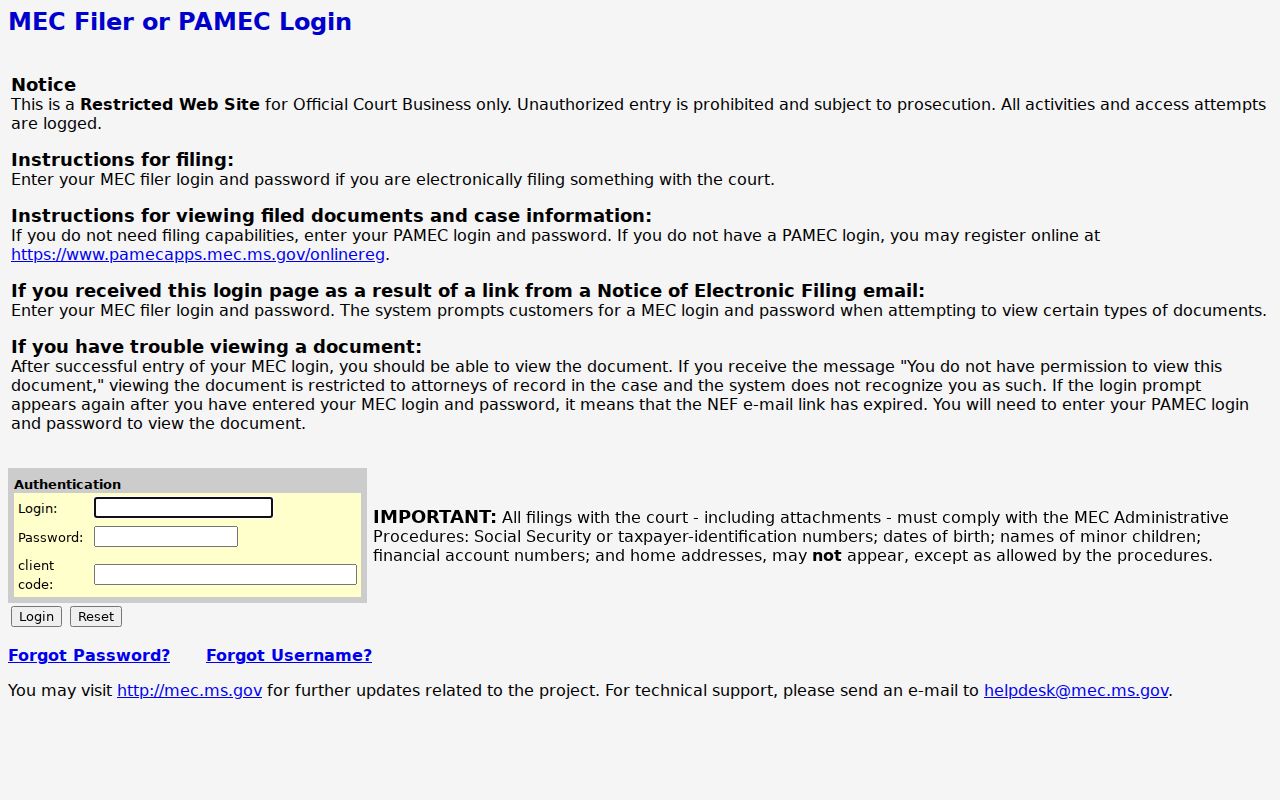
Use that boundary to route a Circuit matter into the Eleventh District system. It does not put every historical, sealed, or restricted court record within remote reach.
Courts That Hold Criminal Dockets
Quitman Circuit Court sits at 220 Chestnut Street, Suite 4, Marks, Mississippi 38646. The Quitman County court systems directory lists the Circuit Clerk's office. CourtInfo lists regular hours: 8:00 a.m. to 5:00 p.m. Circuit handles the county's felonies and assigned criminal proceedings. Still, it is not the only place a Quitman County criminal docket can sit.
Quitman County Justice Court is at 275 East Main Street, Marks, Mississippi 38646, phone 662-326-2104. The court offers no official public case-search interface. Calling about a lower-court matter goes faster with the right details. Have the citation number and the defendant name as printed. Bring the issue date, issuing agency, and court date. A municipal citation belongs with the municipality written on it. It does not go automatically to Justice Court. The Mississippi Bar court-system guide explains how the state's court levels differ.
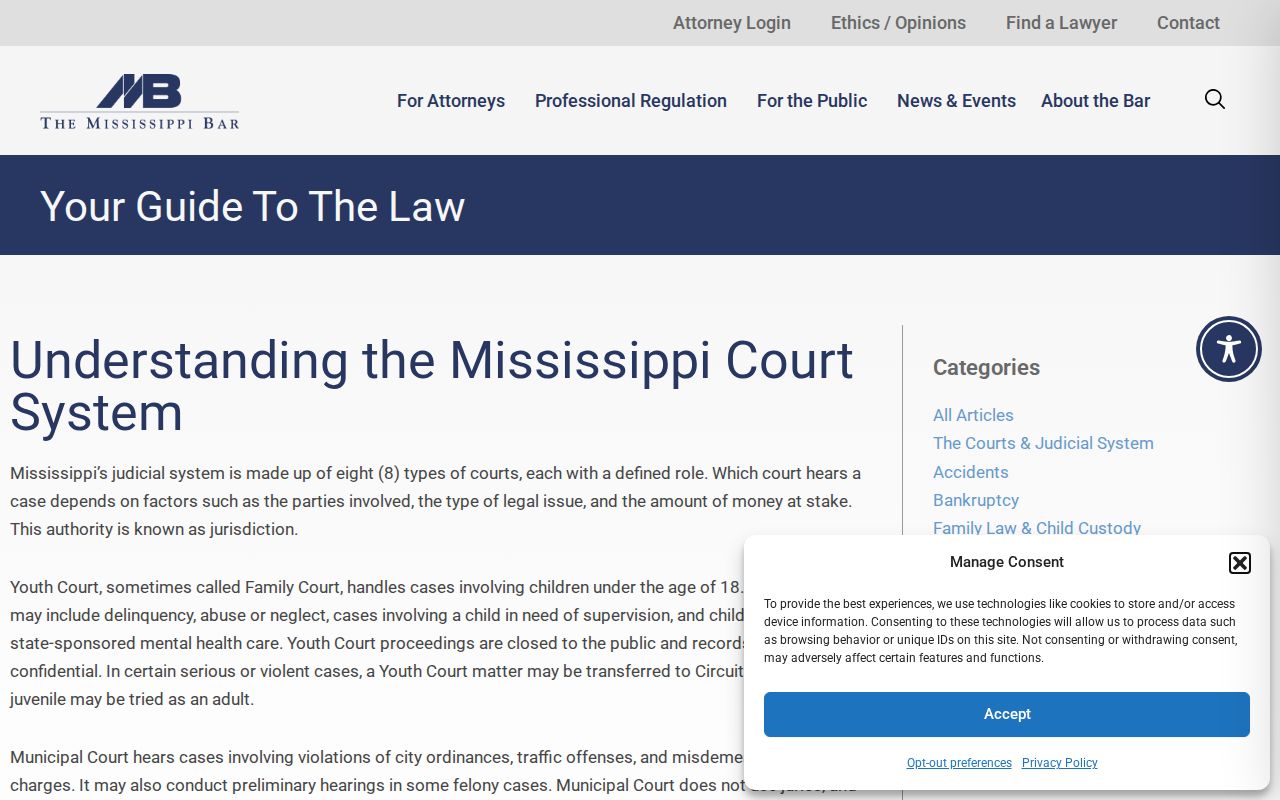
That overview helps you pick the right first call. It cannot replace the clerk or court named on the actual notice.
Quitman County Criminal Docket Clerk Route
When nothing works remotely, one channel remains. The Circuit Clerk is still a direct search channel for Circuit records. MEC administrative procedures allow free electronic viewing of civil and criminal documents at a clerk's office. This applies during regular hours where access is permitted. Ask about a public terminal or staff-assisted search. Also ask whether the file is electronic, legacy, restricted, or paper. Free viewing does not cover copying. It never opens sealed material.
Quitman posts no criminal-record request form or full local fee sheet. So before you mail, fax, or pay anything, call the correct clerk. Ask which request format is accepted, the copy cost, payment method, and certification options. Give the case number if you have it. Add the document needed and the date range. Say whether you want an ordinary or certified copy.
Quick match check: Compare four items before requesting a copy: the court, case number, filing date, and case type or caption where public. A similar name alone can point to the wrong file.
Sealed Dockets and Public Access
Mississippi's Public Records Act, §§25-61-1 et seq., governs many public-body records. Court files are different. The MEC privacy policy states that the judiciary sits outside the Act's usual public-body rules. A court-file request therefore starts with the clerk and the applicable court or MEC rule. A criminal docket request does not follow an administrative-record deadline. Never assume it does.
Juvenile or youth-court information, sealed files, expunged records, and other restricted material may not show up remotely. Some may show very little. A blank search result is not proof that no proceeding existed. The clerk can explain the access route. Protected details should never be sought or republished.
Access rules to keep separate:
Mississippi Public Records Act guidance describes the general state public-record framework for public bodies.
MEC privacy policy explains the judiciary-specific access caveat for electronic court records.
PAMEC non-attorney terms describe public-user viewing, page charges, and prohibited automated access.
Quitman County Criminal Docket Federal Route
A federal criminal case tied to Quitman County does not run through Mississippi MEC. The county sits in the Northern District of Mississippi. Federal dockets there live on PACER and CM/ECF. Check the notice. See whether it names a United States district court. If so, use the Northern District PACER route and federal clerk procedures. Skip the Circuit, Justice, and municipal contacts above.
Federal access, document rules, and fees are separate from PAMEC. Keeping state and federal systems apart saves you a wasted county search. It also keeps the court named in the record as the controlling source.